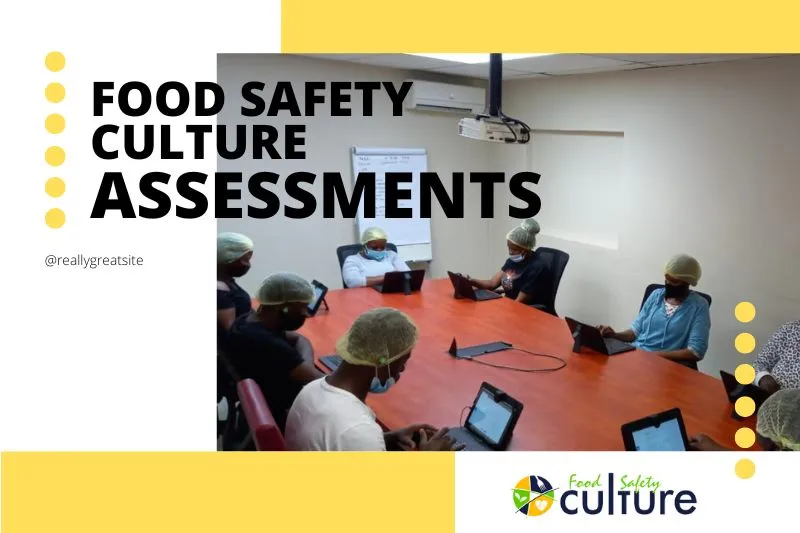
8 Signs of a Weak Food Safety Culture (and How to Fix Each One)
A weak food safety culture rarely shows up as a compliance failure, it shows up as shortcuts nobody mentions and near-misses nobody reports. Eight concrete signs, and what fixes each.

Welcome to the Culture Room, where we explore the powerful intersection of culture and gamification, fresh ideas, practical tips and inspiring stories that change the way you think about engaging your workforce in food safety.
An internal self-check of your food safety practices, run by your own team, the cheapest way to know where you stand before an auditor tells you. Here are the six areas to check.
A weak food safety culture rarely shows up as a compliance failure, it shows up as shortcuts nobody mentions and near-misses nobody reports. Eight concrete signs, and what fixes each.

Training that works for a five-person team breaks down across multiple shifts or sites, not because the content changes, but because consistency does. Here's how to fix that.
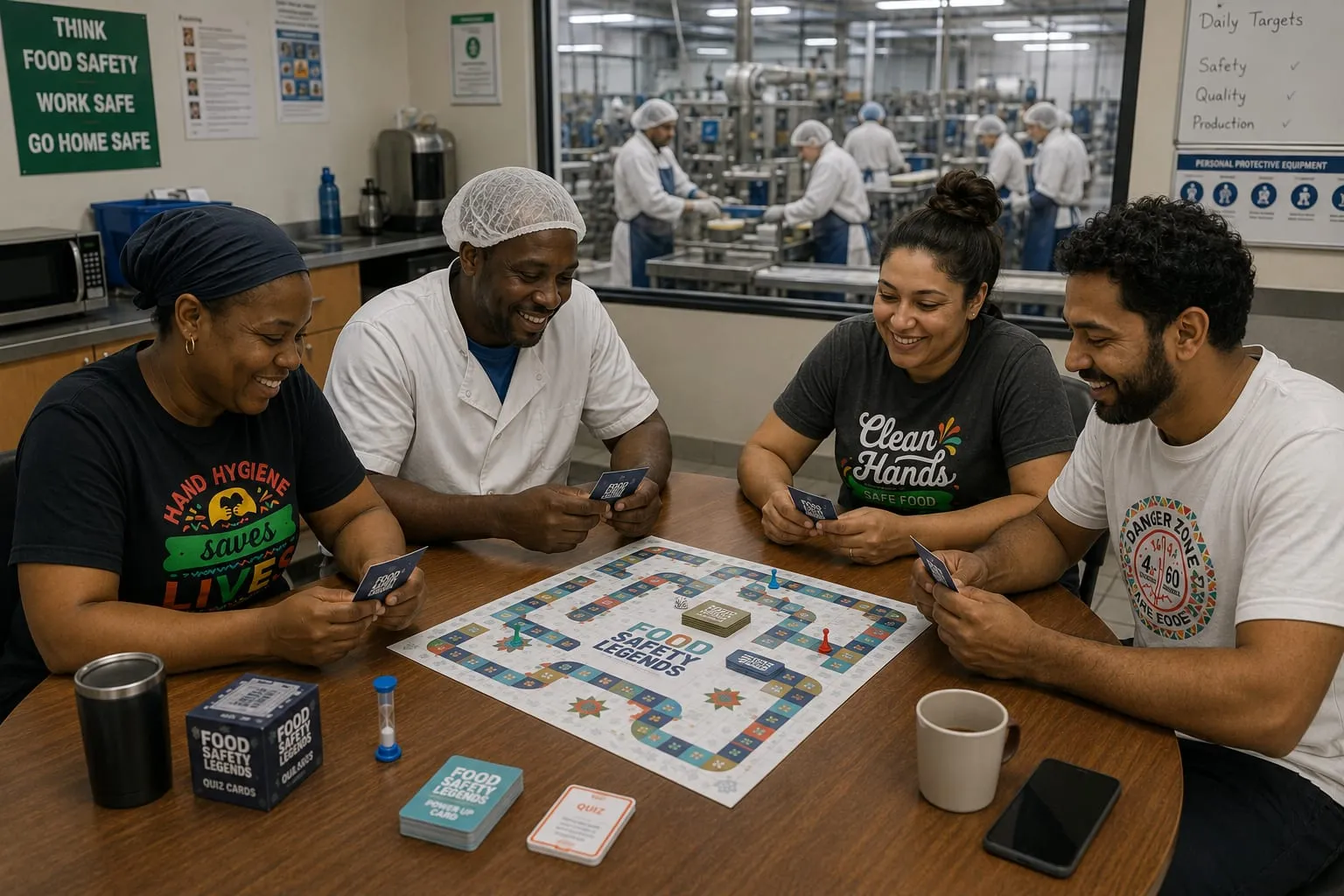
The hardest part of World Food Safety Day usually isn't picking a date; it's filling it with something better than another slideshow. Here's a practical set of activities by time and budget.
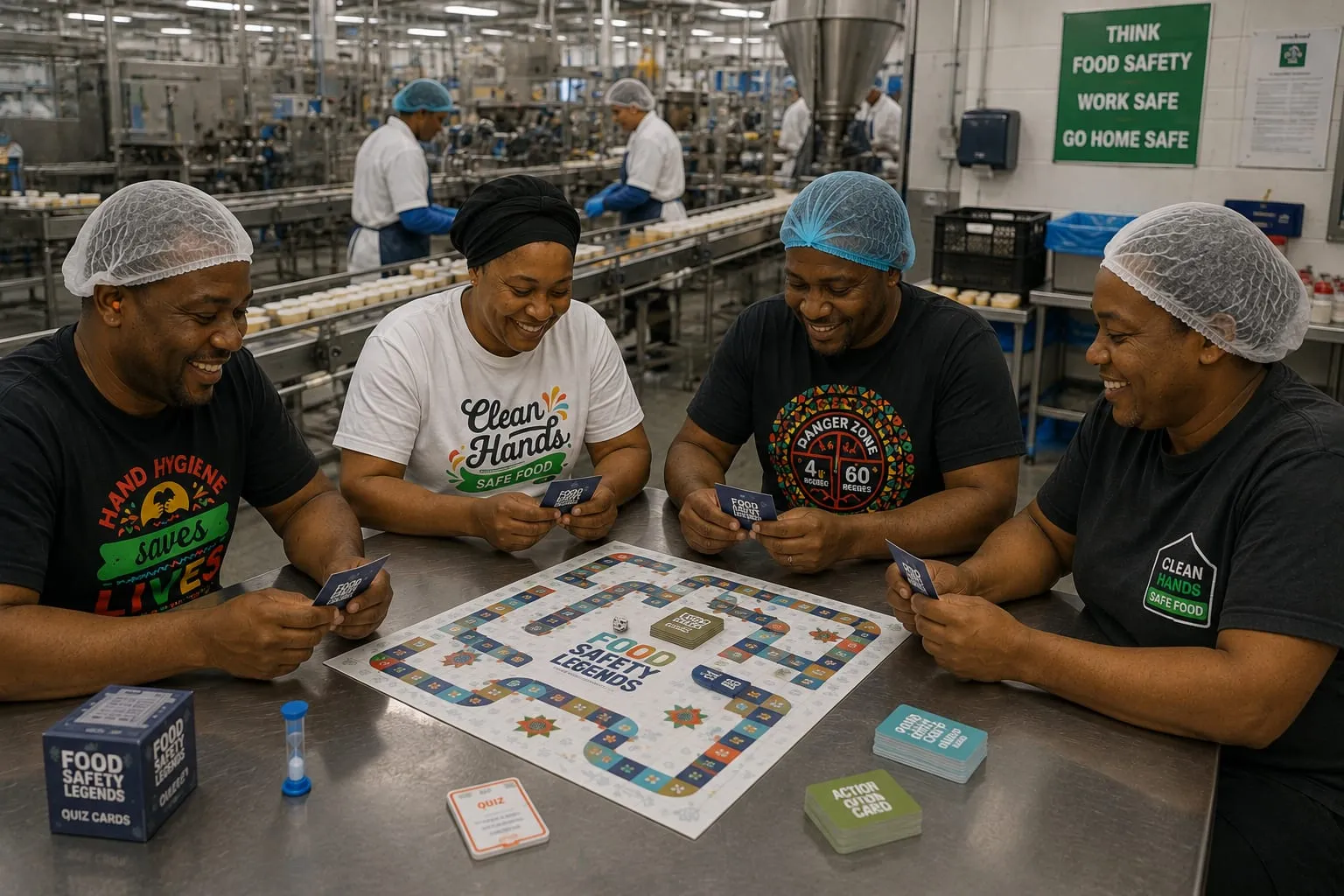
Children's classroom activities or a handful of commercial products, here's what's actually out there for training adult food teams, how the formats differ, and where each one fits.
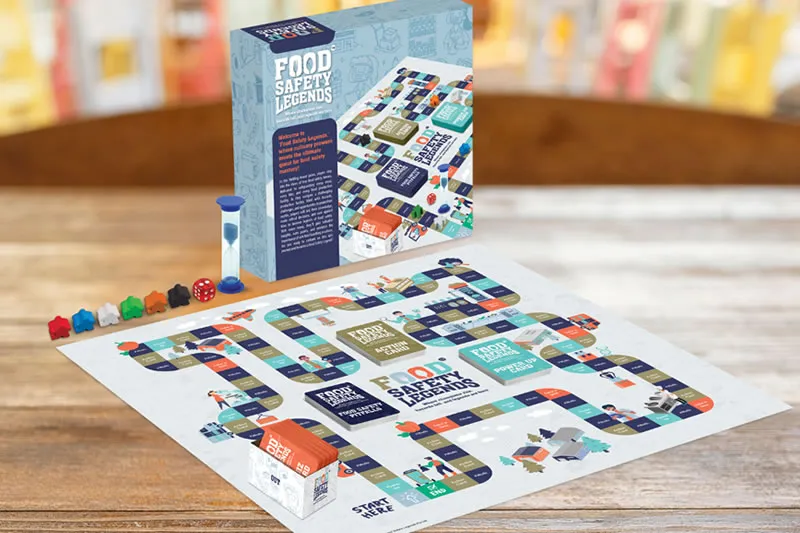
From a full board game session to a 10-minute toolbox-talk starter, seven ways to run a food safety game that still teaches something real.
Annual refresher training satisfies regulation but often fails the deeper goal: helping staff retain and apply food safety knowledge every day. Here's the alternative.
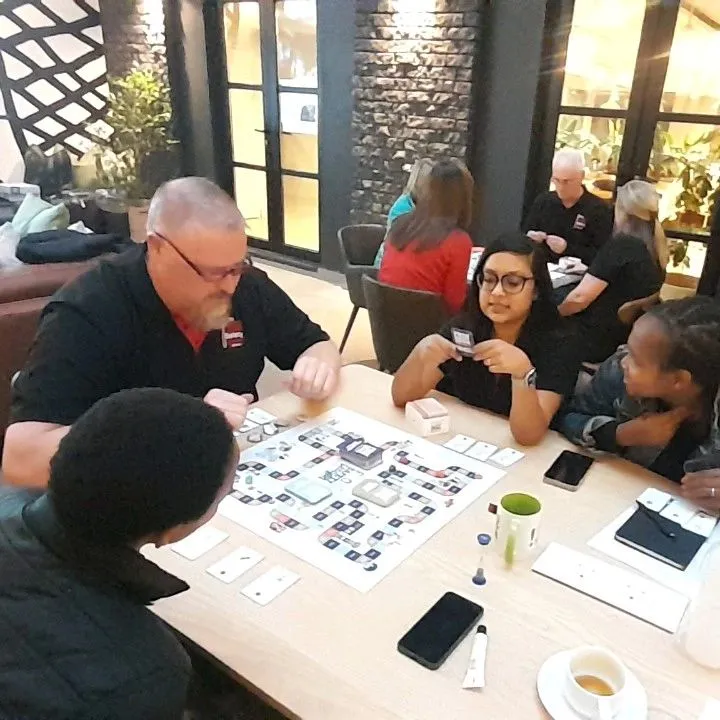
Food safety training becomes a once-a-year checkbox that fades fast. Here are the fundamentals, and how to make training your team actually remembers.
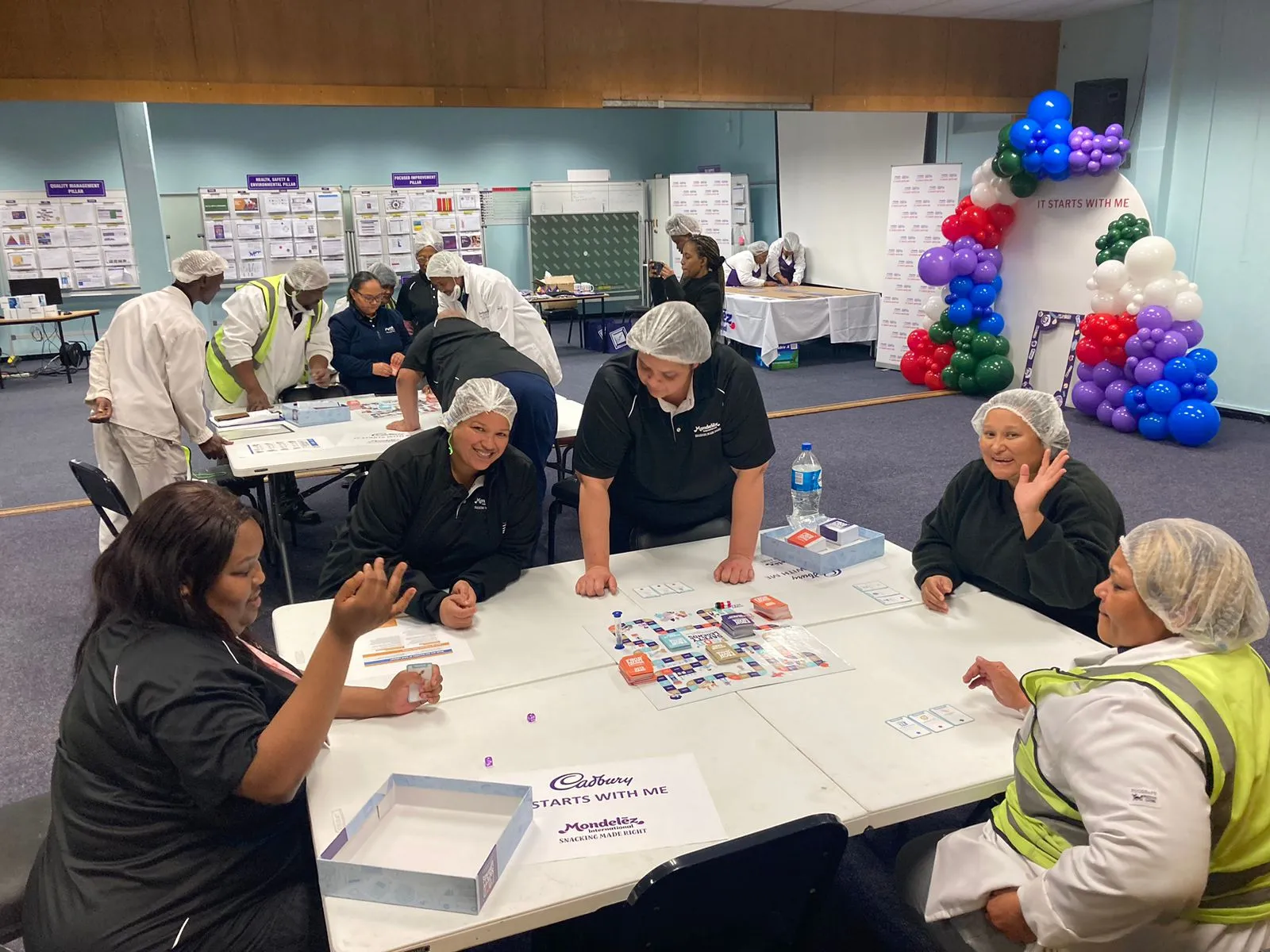
Quality Day ideas for food safety teams, interactive training, team challenges and trivia aligned with World Quality Week's theme: from compliance to performance.
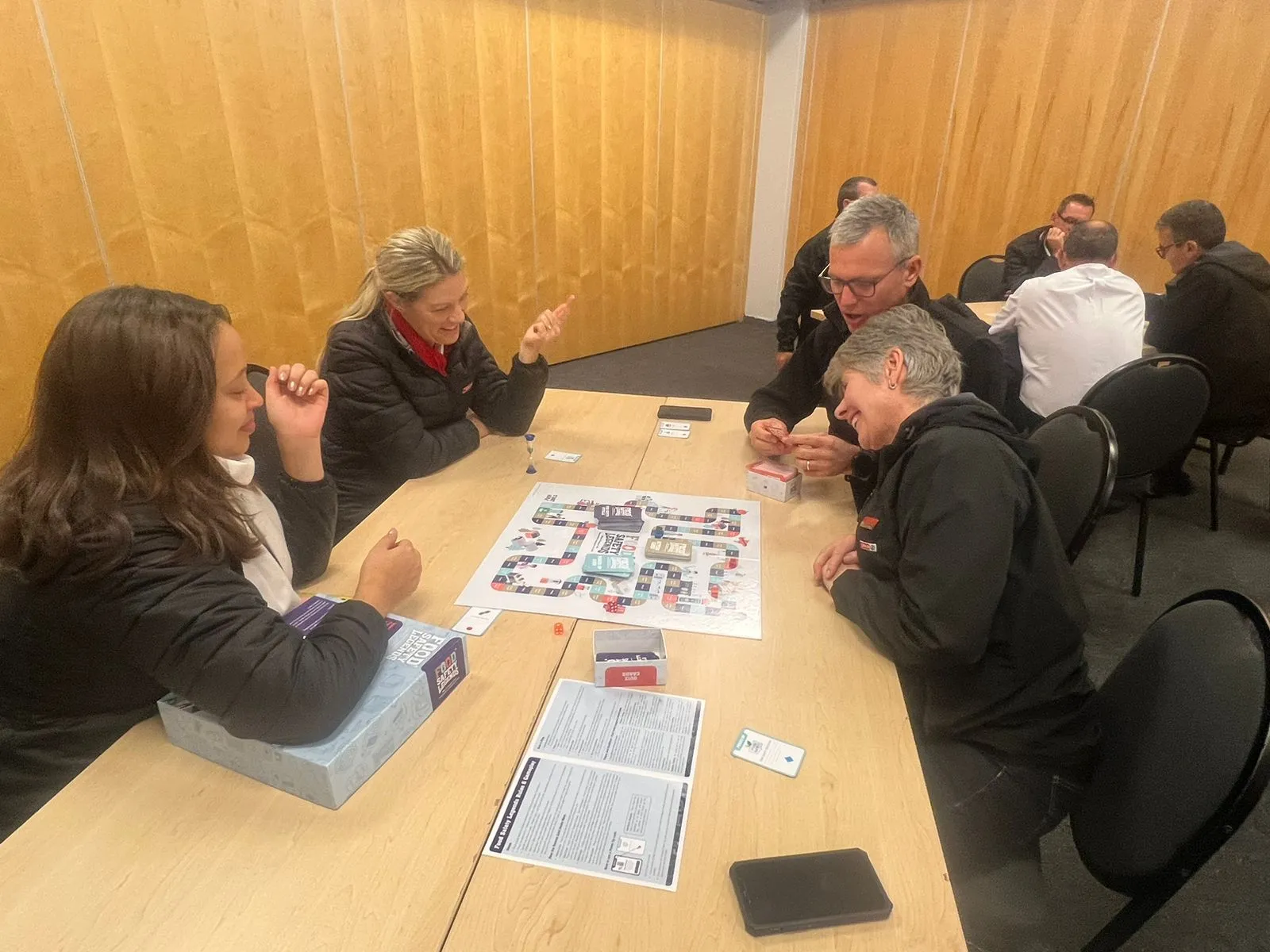
The perception gap between food safety as a clipboard exercise and food safety as culture, and the board game built to close it.
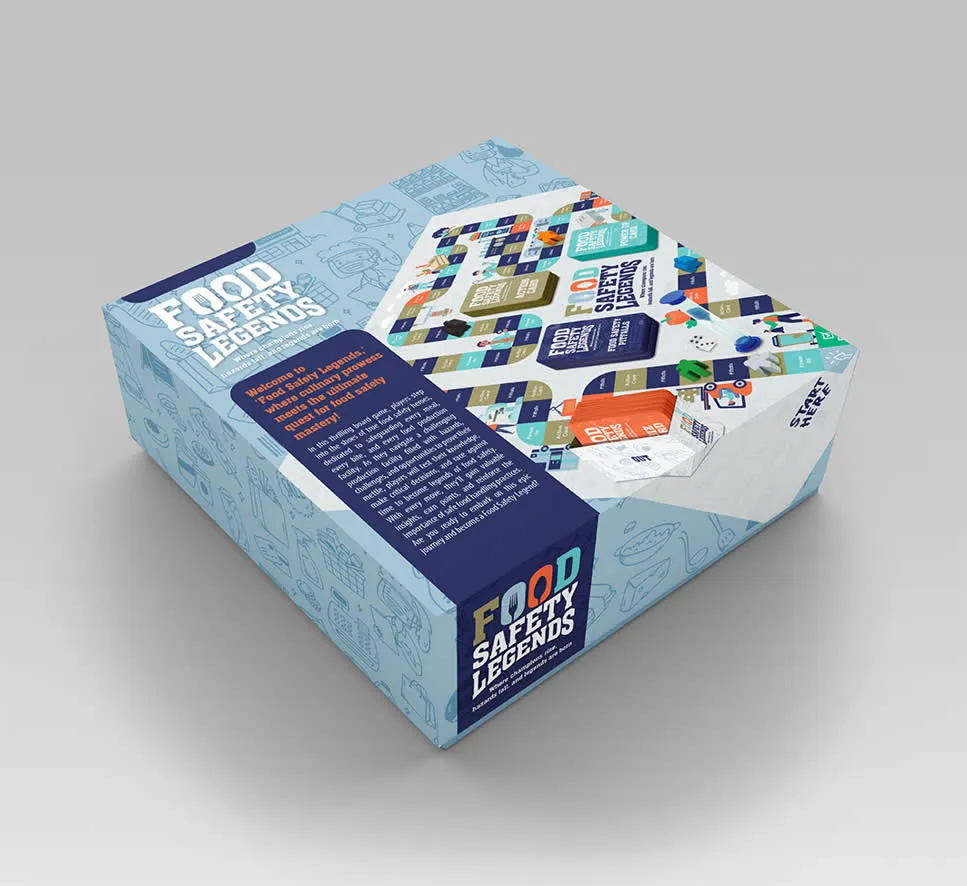
Interactive learning, immediate feedback, peer learning and behavioural insight, how a board game makes food safety training land in a classroom or training room, plus tips for facilitators.

How gamification is transforming food safety training by infusing game elements into educational programmes, and why it works.
How fostering teamwork and collaboration among staff positively influences food safety compliance within organisations.
How food safety managers can use the game to assess their team's knowledge and identify areas for improvement, without the intimidation of a formal test.
Order your Food Safety Legends board game, or ask us how it fits your training programme.